Guadeloupe, a jewel of the Caribbean, is more than just its fine sandy beaches and turquoise waters. It also offers a rich and vibrant cultural treasure, particularly through its captivating music. Guadeloupean music, shaped by the island's complex history, is a captivating blend of African rhythms, Caribbean melodies, and European influences.
Afro-Caribbean Roots:
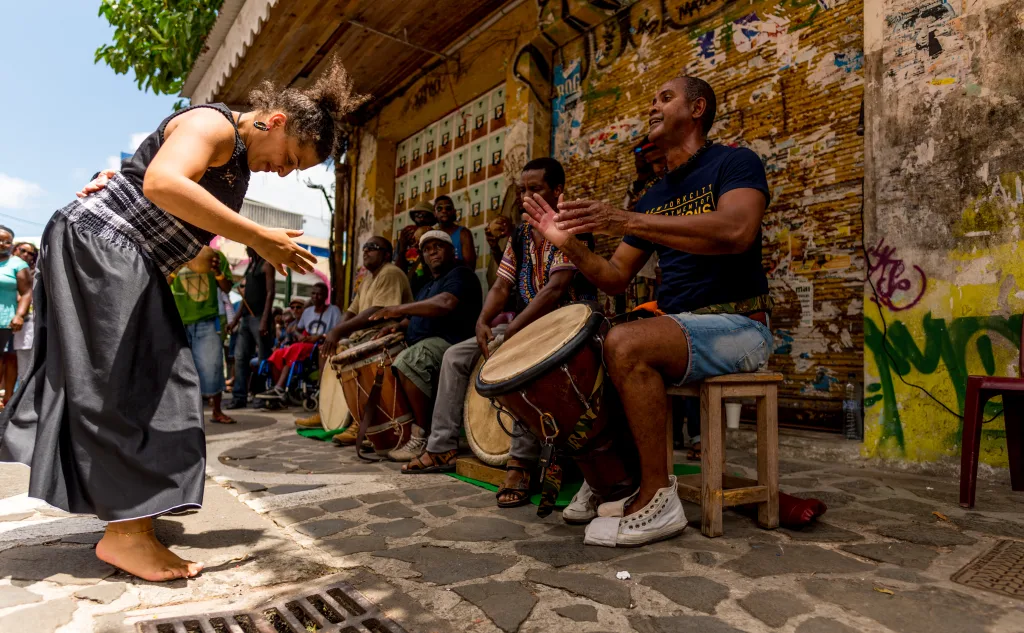
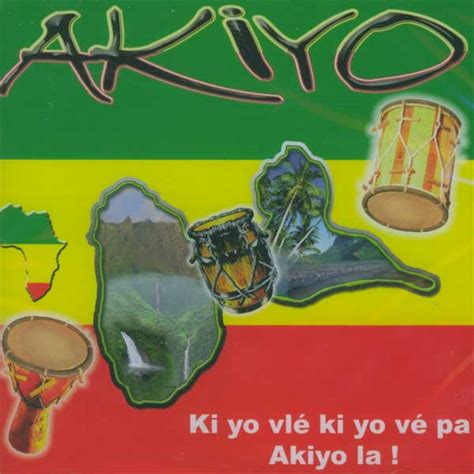
Guadeloupean music is deeply rooted in the painful past of slavery and its African heritage. Rhythms and percussion, such as gwo ka, are vestiges of African tradition, passed down through generations. Gwo ka is often performed at religious ceremonies or celebrations, using drums and other traditional instruments to create a profound and spiritual musical experience. Beyond being a musical style, it is also a performance art. Often accompanied by traditional dance, gwo ka is a celebration of the human voice and rhythm. Gwo ka artists use ka drums to create improvised compositions, making each performance unique. It is an immersive experience that transports listeners into the very soul of Guadeloupean culture. An even more magical experience if you are lucky enough to be in Guadeloupe during Carnival!
Music, an Essential Pillar of the Guadeloupe Carnival:
The Guadeloupe Carnival is much more than a simple festive celebration; it's a sensory explosion where music plays a central role, propelling the festival beyond a mere parade of colorful costumes. The Guadeloupe Carnival is an immersive experience that captures the very essence of joy and celebration. The infectious rhythms of the traditional music groups, with their vibrant percussion and playful melodies, encourage participants and spectators alike to be swept away by spontaneous dancing in the streets. It's a symbiosis between the musicians and the public, creating a unique atmosphere imbued with positivity and contagious energy. Carnival here is sacred and brings life to every corner of the archipelago.
Are you at the Jardin des Colibris during this time? Come see us at reception for the parade schedule and don't miss the one in Deshaies! 😉
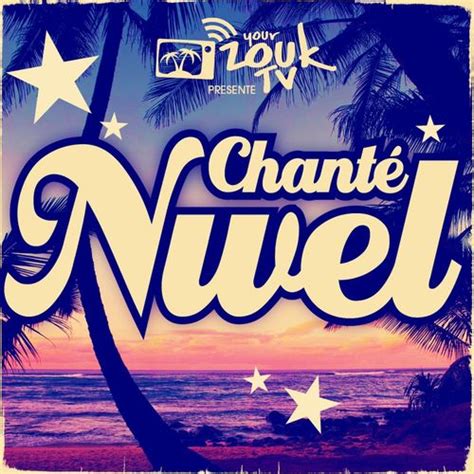
Are you with us during the holiday season? Come discover another Guadeloupean tradition where music takes center stage: the "Chanté Nwel."
"Chanté Nwel" are evenings of traditional carols held during Advent, the weeks leading up to Christmas.
These musical gatherings take place in neighborhoods, churches, homes, or even public spaces. The goal is to bring the community together to share moments of joy, spirituality, and togetherness. This musical tradition is deeply rooted in intergenerational transmission.
These songs cover a wide range of themes, from the birth of Christ to local Christmas traditions and festive stories. The poetic and melodious lyrics transport participants into the spirit of the season. Traditional instruments, such as the drum, the conch shell (a seashell used as a wind instrument), and the guitar, are often used to accompany the songs. However, over the years, the "Chanté Nwel" have also incorporated modern instruments, broadening the musical palette. Musical styles vary, combining elements of gwoka, zouk, and other Caribbean influences, thus creating a harmonious fusion.
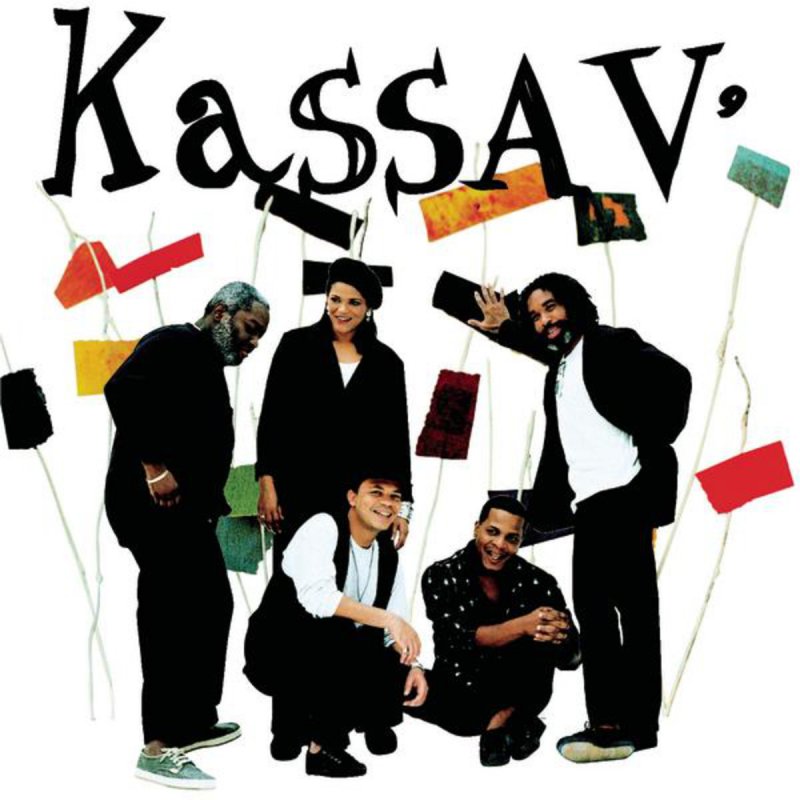
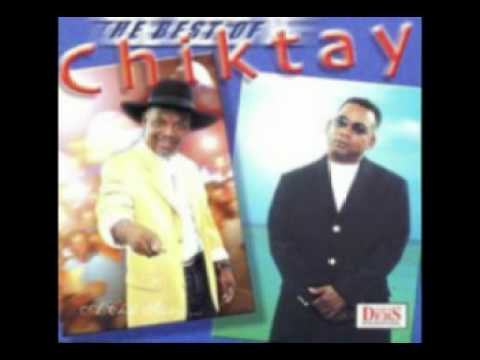
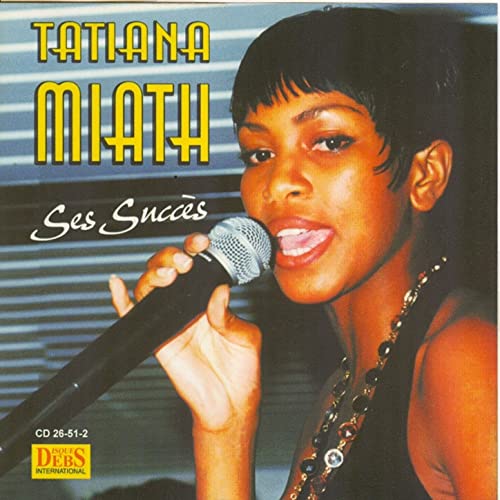
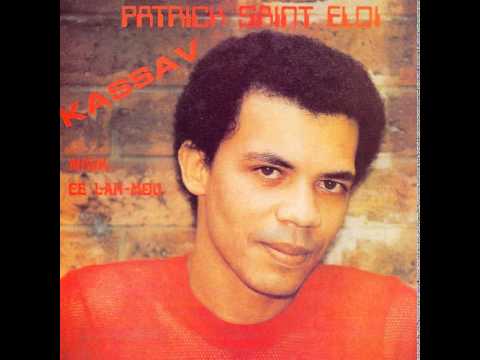
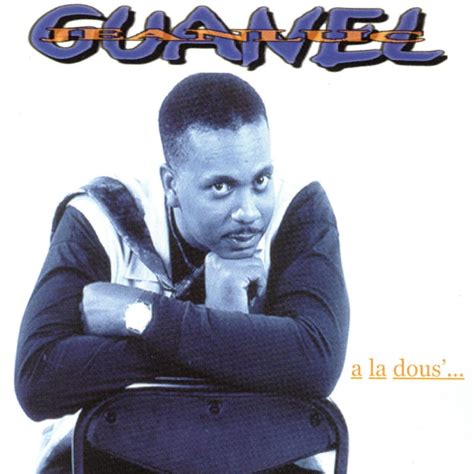
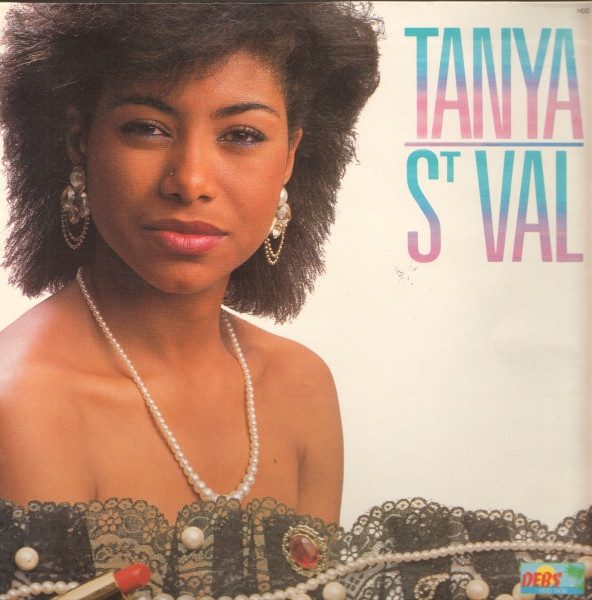
How can we talk about Guadeloupean music without mentioning Zouk ? Zouk, also known as "love" or "retro" Zouk, is a modern musical genre that originated in the French West Indies and has conquered the world. Born in the 1970s with the renowned group Kassav', Zouk is a fusion of musical styles such as Haitian compas, merengue, reggae, and traditional Guadeloupean music. This dynamic and catchy music embodies the festive spirit of the archipelago while reflecting the diversity of its cultural influences. A short playlist awaits you below with some classics 😉
In conclusion, Guadeloupean music is much more than just a soundtrack for sandy beaches. It's a living expression of the history and diversity of this Caribbean archipelago. As its captivating rhythms resonate through the streets, beaches, shops, and restaurants, Guadeloupean music continues to enchant the hearts and souls of those fortunate enough to hear it.